Louis XVI Design
The Neoclassical Era

The Louis XVI Style

1774–1792 — Classical Refinement Before Revolution

Reason, Order & Enlightened Elegance

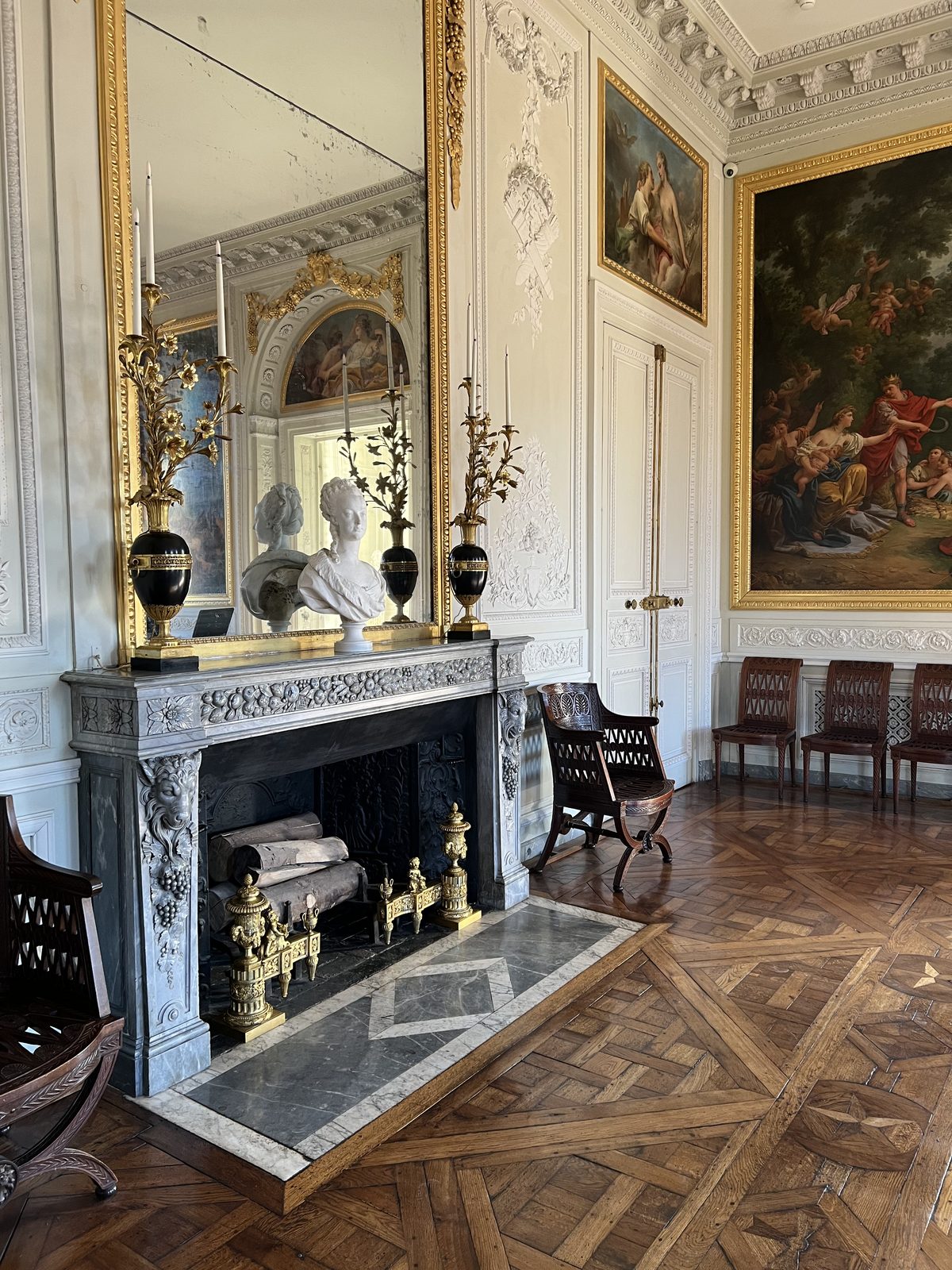
The Louis XVI style represents a deliberate reaction against Rococo exuberance. Where Louis XV embraced curves and asymmetry, Louis XVI reinstated straight lines, geometric forms, and the orderly principles of classical antiquity. Yet this was not a return to Baroque grandeur—instead, it was a refined neoclassicism that maintained the elegance and sophistication of the previous era while submitting decoration to rational, classical principles. The result was a style of exceptional purity: interiors where every element served both aesthetic and logical purposes.

The 18-year reign of Louis XVI coincided with the Enlightenment's triumph in intellectual circles. Reason, order, and classical learning became the dominant values. Designers and architects turned to Greece and Rome for inspiration, studying archaeological discoveries from Pompeii and Herculaneum. This scholarly approach to design created interiors of remarkable intellectual clarity—spaces that were simultaneously learned and beautiful, formal yet inviting.
Louis XVI Interior

Enlightenment Values & Classical Revival

Louis XVI's accession in 1774 marked an immediate shift in aesthetic values. The new king, influenced by contemporary intellectual currents and his wife Marie-Antoinette's preferences, championed a return to classical principles. The frivolity associated with Rococo came to be seen as excessive, even morally questionable. In its place emerged a design philosophy based on reason, proportion, and the study of classical antiquity.

Architects like Ange-Jacques Gabriel and designers including Jean-François Oeben and Jean-Henri Riesener developed a distinctive vocabulary: straight lines, geometric forms, columnar supports, and decoration derived from classical sources. Yet their work remained fundamentally different from earlier neoclassicism in its retained sophistication and refinement. The goal was not austere simplicity but rather elegant, learned clarity.

Cultural Values of the Period

  • Enlightenment emphasis on reason and rational order
  • Archaeological study of classical antiquity as design source
  • Belief that beauty should serve moral purposes
  • Integration of scientific knowledge with aesthetic principles
  • Preservation of luxury but within rational frameworks

Furniture & Architectural Language

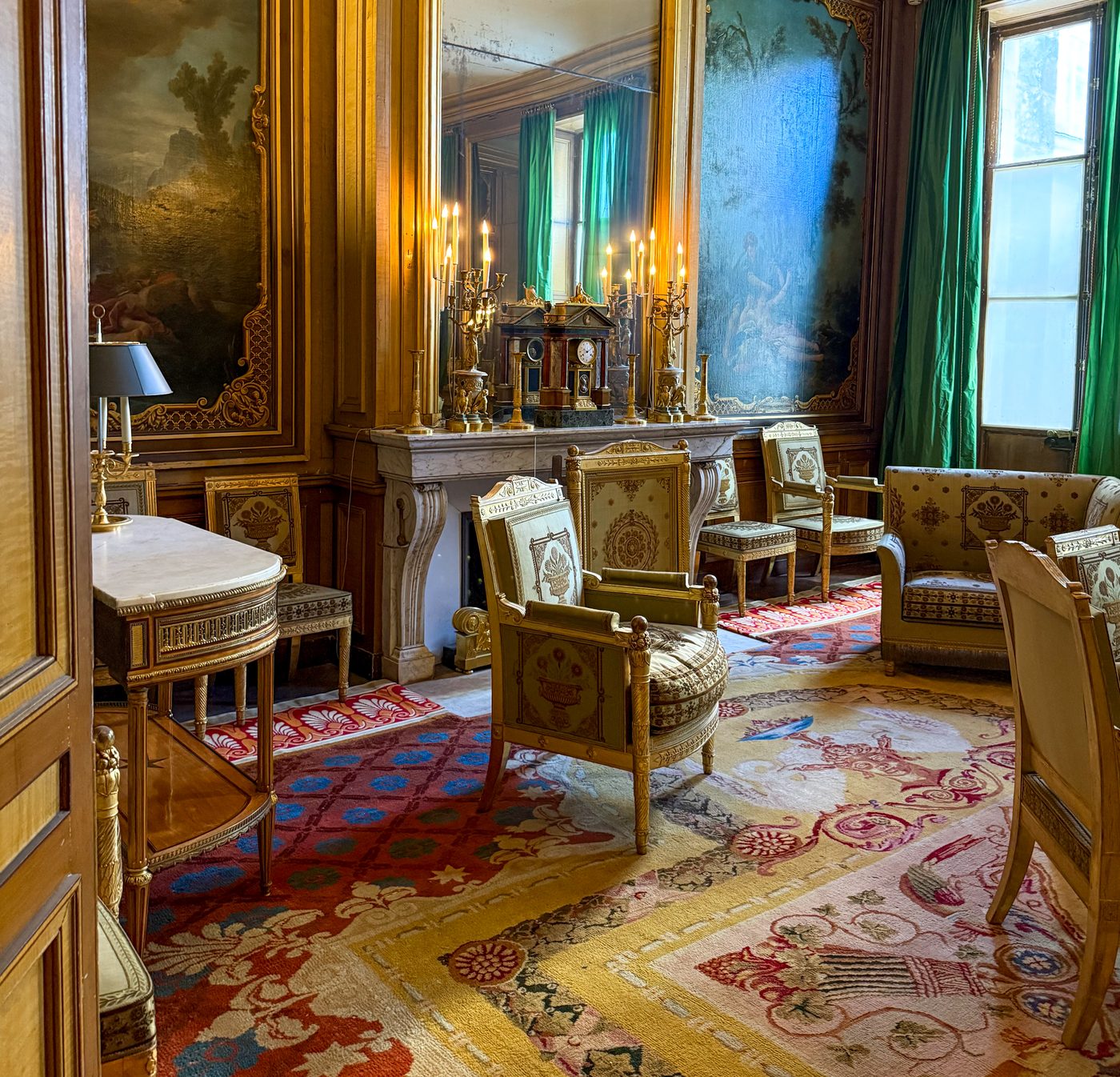
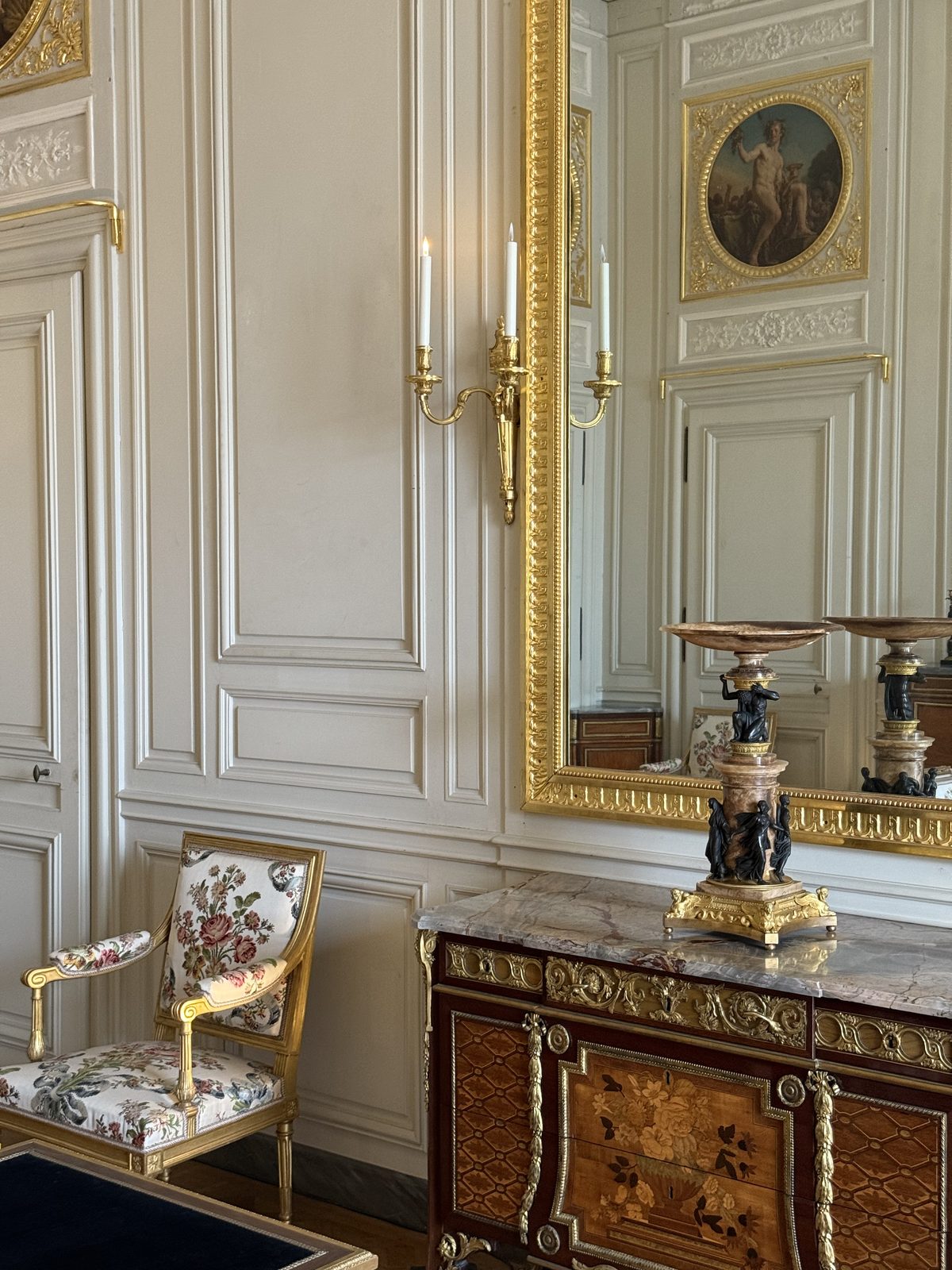
Louis XVI furniture marks a complete geometric reformation. The curved cabriole leg gave way to straight, tapered legs often ending in small feet. Furniture forms became rectilinear, with decoration concentrated in specific areas rather than flowing organically across surfaces. This represented not a loss of refinement but a different expression of it—clarity and proportion replaced the sensuous curves of Louis XV.

Signature Furniture Elements

  • Straight, tapered legs often fluted or carved with classical motifs
  • Rectangular forms and geometric compositions
  • Marquetry featuring geometric patterns and classical urns or trophies
  • Bronze or ormolu mounts with refined classical ornaments
  • Upholstery in simpler, more controlled patterns
  • Fauteuils with square backs and straight armrests
  • Commodes with rectangular forms and neo-classical decoration

The elimination of curves required rethinking comfort. Cabinetmakers solved this through careful proportion and the development of cushions that softened angular forms while maintaining visual clarity. The craftsmanship remained extraordinary—straight lines and flat surfaces actually demanded greater precision than curves, as imperfections became immediately apparent. The result was furniture that was simultaneously intellectual and comfortable, demonstrating that rationality and elegance could enhance rather than contradict each other.

Louis XVI Furniture

Materials & Classical Principles

Material choices in Louis XVI design reflected classical principles. While exotic woods continued to be used in marquetry, there was a preference for lighter woods and simpler veneers than in the previous era. The colour palette became more restrained—mahogany for its rich, uniform tone became increasingly popular. Gilding was applied more sparingly, used primarily for bronze mounts and selected architectural details rather than elaborately gilded frames.

Material Palette

  • Mahogany: Increasingly employed for its uniform colour and fine working properties
  • Marquetry: Geometric patterns and classical imagery rather than floral designs
  • Bronze & Ormolu: Classical motifs: acanthus, palmettes, urns, and laurel wreaths
  • Marble: Used for tops and architectural features, carefully selected for colour
  • Stone Carving: Classical orders and refined proportions in architectural elements
  • Textiles: Simpler patterns, often striped or with classical motifs

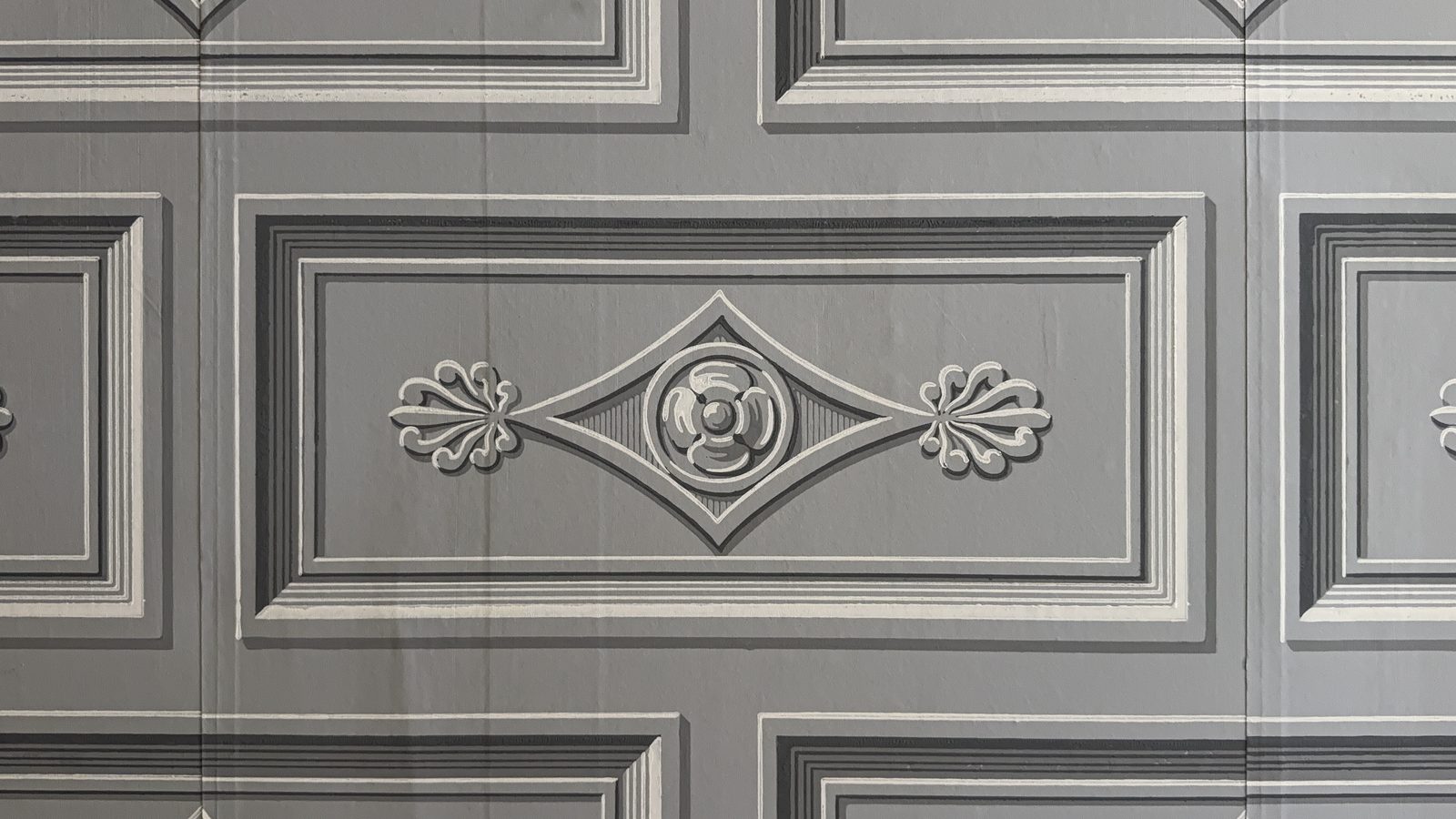
A characteristic innovation was the use of carefully proportioned geometric marquetry. Rather than pictorial scenes, these designs featured mathematical patterns—concentric squares, diamond shapes, and linear arrangements—that expressed classical harmony. This restraint in decoration was not simplification but rather refinement—a understanding that clarity of form and precision in execution could be as beautiful as elaborate ornamentation.

Louis XVI Materials

Colours, Textiles & Refined Clarity

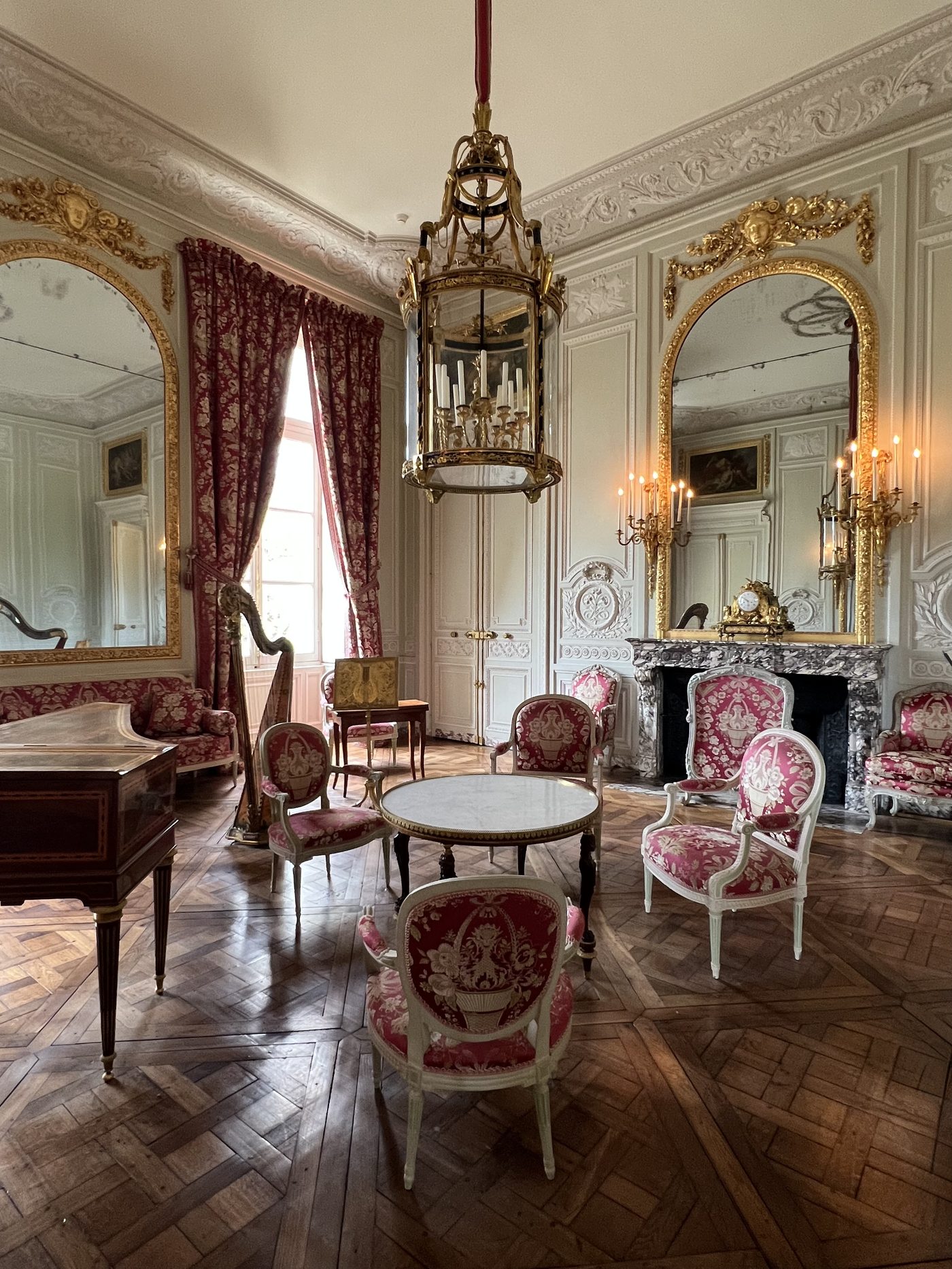
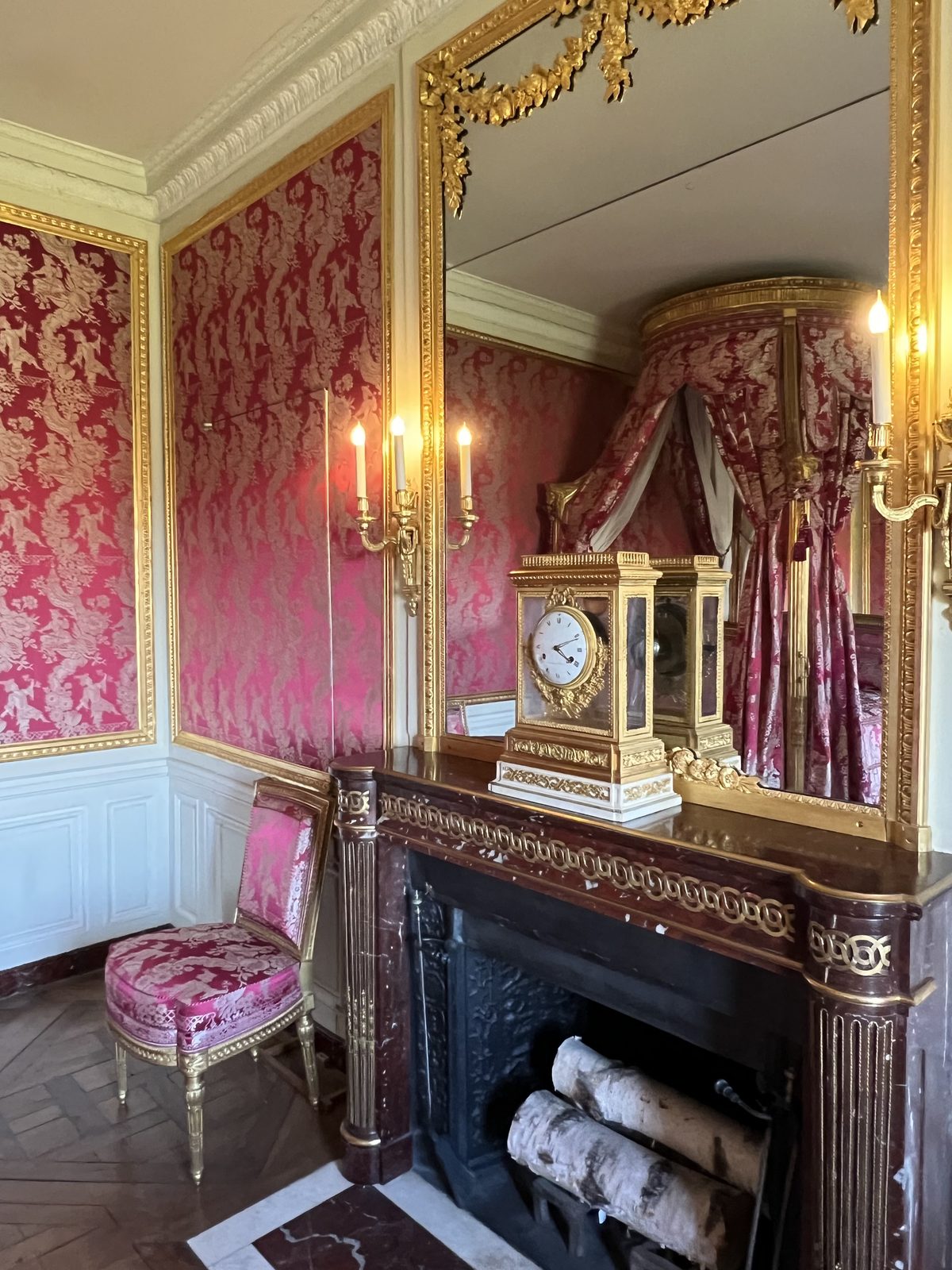
The Louis XVI colour palette refined the pale tones of its predecessor into even greater sophistication. Whites, soft greys, pale blue-greens, and champagne tones dominated, creating interiors of remarkable clarity and light. Gold remained present but in more restrained applications. Rather than filling walls with patterns, large areas of plain colour created visual rest and allowed architectural elements to register clearly. This represented a profound shift in design philosophy: that emptiness could be as important as decoration.

Characteristic Colour Schemes

  • Off-white and cream as primary wall colours for clarity
  • Pale grey-blue and soft green for sophistication
  • Champagne and soft pink accents, more restrained than before
  • Gold applied selectively to architectural details and mouldings
  • Darker woods providing colour contrast through furniture

Textiles became simpler in pattern but more sophisticated in execution. Striped silks, plain damasks, and subtle patterns derived from classical sources replaced the busy Chinoiserie designs of the previous era. Marie-Antoinette's private apartments at Versailles featured delicate striped fabrics that remain inspirational to this day. The integration of all elements—colour, texture, form, and proportion—created interiors of extraordinary refinement where everything seemed to exist in perfect relationship to everything else.

Louis XVI Colours

Lasting Legacy & Modern Relevance

Although interrupted by Revolution and followed by the bolder aesthetic of Empire, Louis XVI style profoundly influenced subsequent design. The principle that beauty could be achieved through clarity and restraint rather than elaboration became fundamental to neoclassical design. Even today, the best contemporary interiors often echo Louis XVI principles: spaces where proportion and proportion create elegance, where restraint allows materials and forms to be appreciated, where classical references create intellectual satisfaction.

What makes Louis XVI design enduringly relevant is its balance. It avoided two extremes: the austerity of pure classicism and the excess of Rococo. Instead, it demonstrated that refinement could be achieved within classical principles, that straight lines could be as beautiful as curves, that clarity could be as moving as complexity. This balanced approach remains profoundly instructive for contemporary design.

Modern Applications of Louis XVI Principles

  • Using restraint in decoration to allow architectural clarity to register
  • Creating sophisticated interiors through proportion rather than elaboration
  • Employing neutral colour palettes as backgrounds for key elements
  • Selecting classical references for intellectual and emotional depth
  • Understanding that negative space is as important as decoration
  • Creating environments where simplicity achieves elegance through precision

Contemporary reinterpretations of Louis XVI design often focus on this principle of refined clarity. A modern space inspired by Louis XVI might feature straight-lined furniture, a pale neutral palette, carefully selected classical references in accessories, and above all, an understanding that elegance comes through proportion, restraint, and the intelligent use of space. The tragic historical moment that ended Louis XVI's reign cannot diminish the aesthetic achievements of his era—achievements that continue to instruct and inspire those who understand that true luxury lies in refinement, not excess.

Contemporary Louis XVI

Read Also in This Series

The Louis XIV Style

The magnificent Baroque grandeur of the Sun King—gilded splendour, overwhelming scale, and the definitive statement of absolute power through interior design.

Discover →

The Régence Style

A transitional bridge between Baroque grandeur and Rococo lightness, the Régence period (1715-1723) introduced greater elegance and informality to interior decoration.

Discover →

The Louis XV Style

The pinnacle of Rococo refinement, Louis XV design celebrates curves, asymmetry, and an intimate aesthetic that revolutionized European taste.

Discover →

The Empire Style

Following the Revolution, Empire design drew inspiration from classical antiquity, creating a bold, geometric aesthetic suited to a new political order.

Discover →