Régence Design
The Transition

The Régence Style

1715–1723 — A Brief Bridge Between Eras

Elegance in Transition

The Régence period occupies a unique and crucial position in French design history—a brief eight-year interregnum between Louis XIV's overwhelming Baroque grandeur and the emerging Rococo extravagance of Louis XV. Though historically fleeting, this transitional style represents one of design's most sophisticated moments: a period when absolute restraint in composition balanced with unprecedented refinement in decoration created interiors of remarkable elegance.

Named for the regency of Philippe II, Duke of Orléans (who ruled as regent for the young Louis XV), the Régence period witnessed a fundamental shift in aesthetic values. The rigid hierarchies and formal arrangements that dominated the previous era began to dissolve. Rooms became more intimate, spaces more functional, and decoration more nuanced. Yet sophistication only increased—architects and decorators developed subtler vocabularies to achieve what had previously required sheer overwhelming scale.
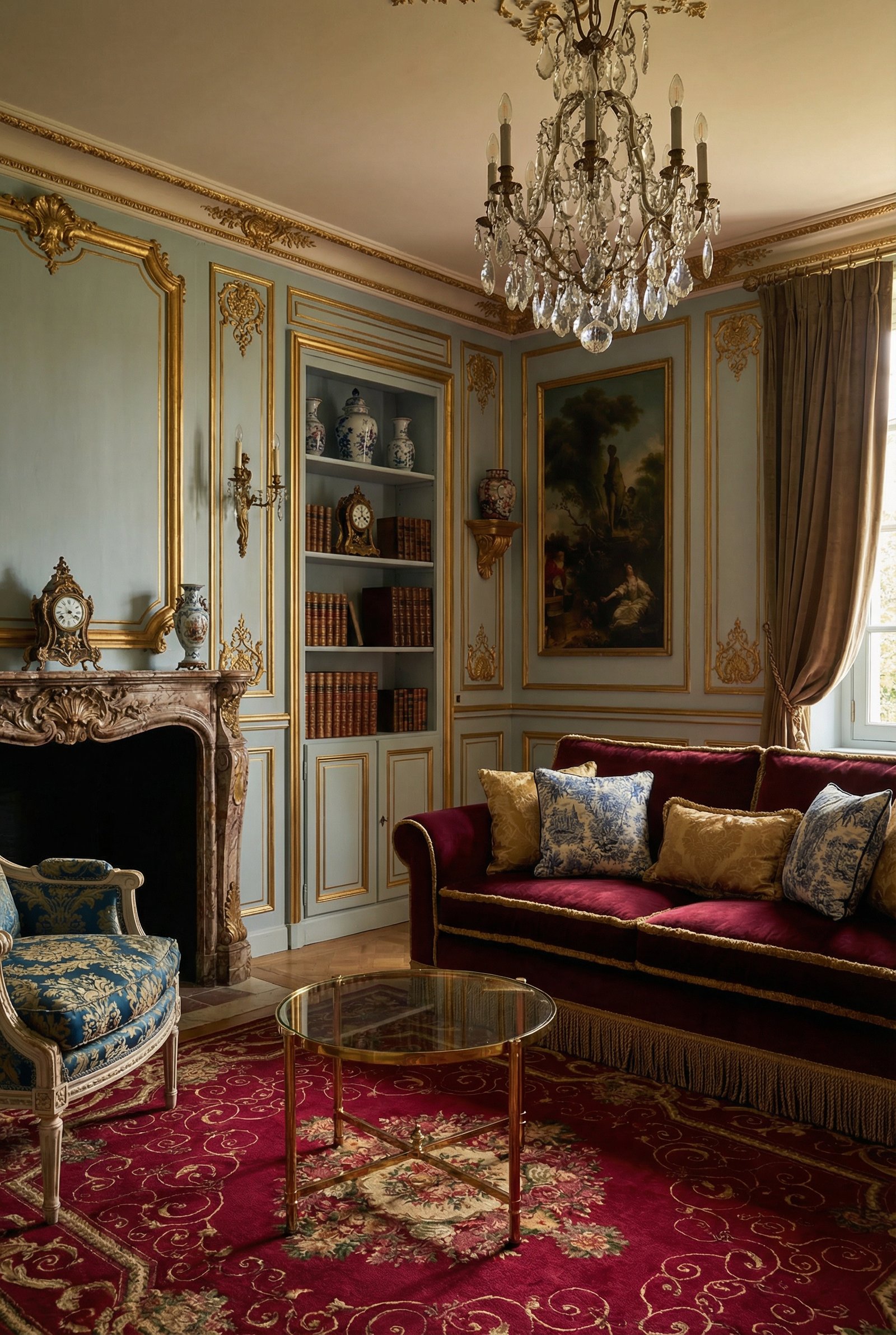
Régence Interior

The Cultural Shift

The death of Louis XIV in 1715 marked far more than a change of monarch. It signaled a fundamental shift in French society. The rigid ceremonial court that had centered on the absolute king gave way to a more relaxed, intellectually vibrant culture. The Regent himself was a patron of the arts who valued sophistication and wit over mere display. This cultural transition manifested immediately in interior design.

The Régence style emerged not from conscious design philosophy but from practical necessity. Rooms needed to be reorganized for more intimate gathering and conversation. The vast state apartments of Versailles remained, but they were supplemented by smaller, more comfortable private spaces. Decoration became less about overwhelming scale and more about refined detail. Designers like Juste-Aurèle Meissonnier began experimenting with asymmetrical compositions and curved forms that would fully mature in the Rococo style.

Key Characteristics of the Period

  • Transition from formal to informal spatial organization
  • Introduction of curved lines and organic forms
  • Reduction in overall ornamentation but increase in refinement
  • Development of specialized room types with specific decorative schemes
  • Greater emphasis on comfort and personal taste

Furniture & Architectural Forms

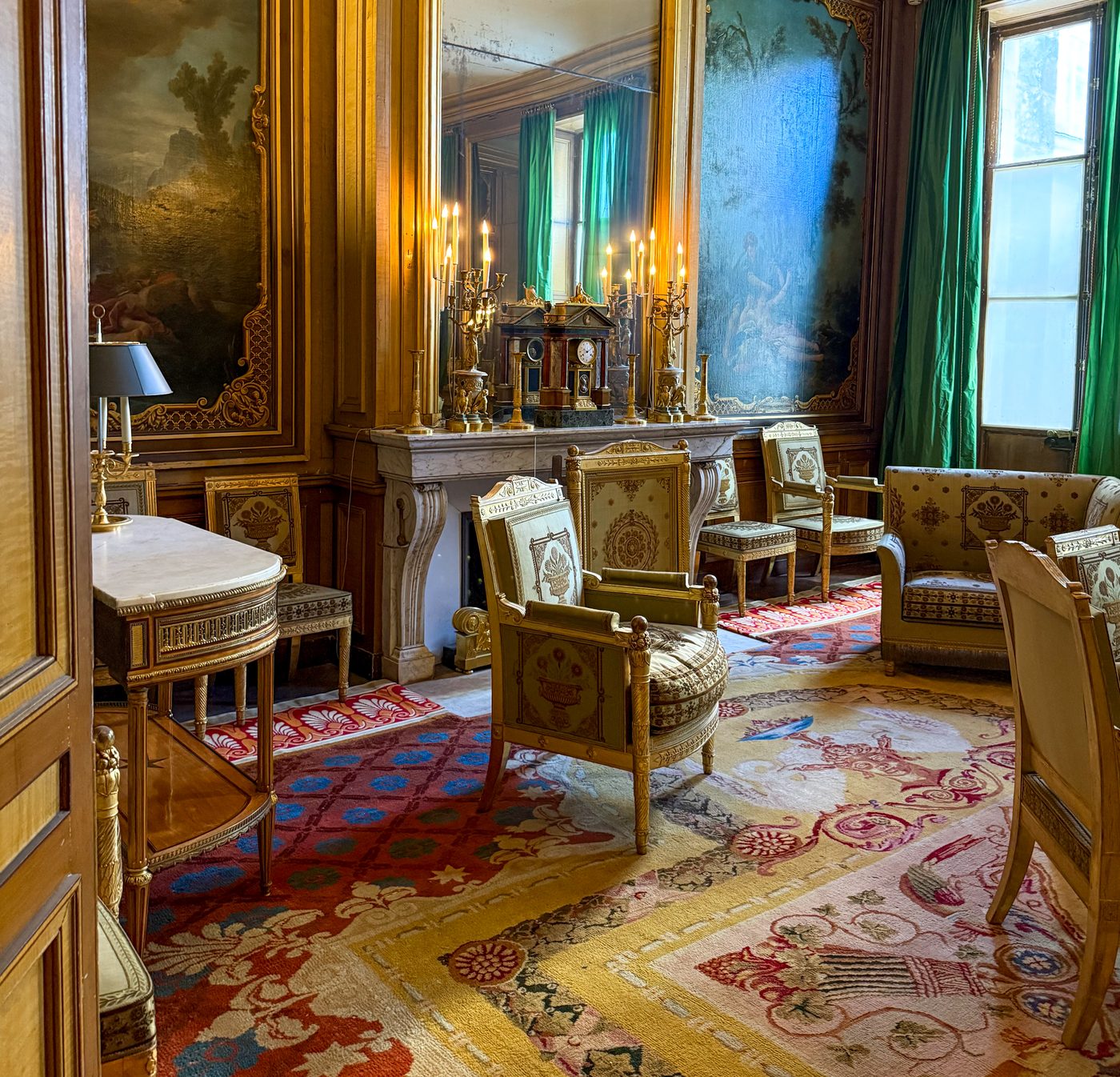
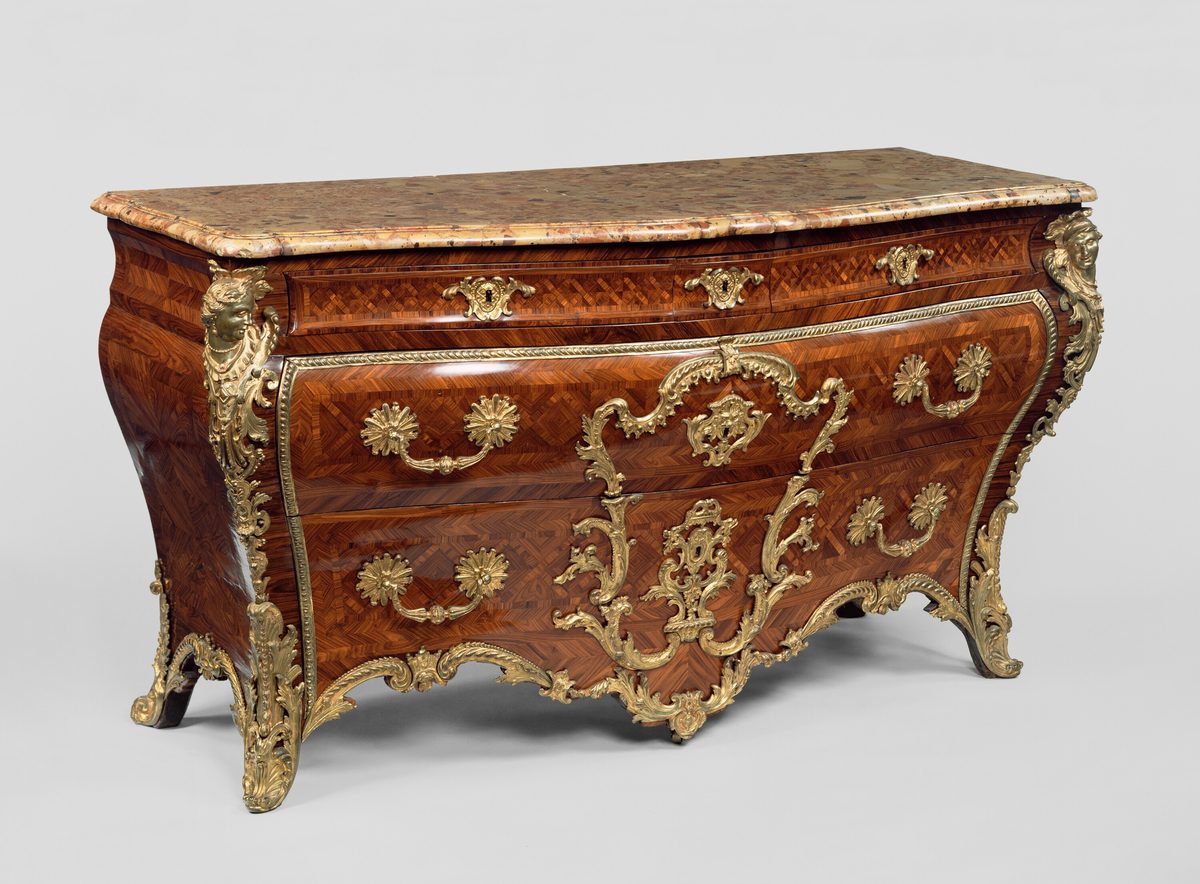
Régence furniture represents a crucial evolutionary moment. Pieces retain the gilded frame construction of Louis XIV but begin to lighten proportionally. The heavy, imposing forms of the previous era give way to furniture designed for comfort and ease of movement. The distinctive features of this style include the emergence of the curved cabriole leg in more refined form, the development of new seating types designed for conversation, and the refinement of decorative techniques.

Signature Furniture Elements

  • Refined cabriole legs with delicate curved forms and minimal ornament
  • Gilded beech frames with lighter proportions than Louis XIV pieces
  • Bergère chairs—a new form designed for comfort with enclosed arms
  • Console tables with curves and subtle asymmetry
  • Reduced use of marquetry in favor of simpler wood veneers
  • Introduction of more varied upholstery patterns and textures

The craftsmanship remained extraordinary, but the design philosophy shifted from "more is more" to a subtler understanding of elegance. A Régence chair might feature less overall gilding than its Louis XIV predecessor, but the proportions would be more refined, the carving more assured, and the comfort greater. This period taught a crucial lesson: that true luxury is not merely the accumulation of materials but their intelligent orchestration.

Régence Furniture

Materials & Techniques

The Régence period witnessed a deliberate reconsideration of how materials should be employed. While gilding remained important, it became more selective. Gold leaf continued to adorn architectural ornaments and furniture frames, but its application was more restrained. This restraint actually heightened the visual impact—each gilded element received greater emphasis precisely because the eye was less overwhelmed by the sheer quantity of gold.

Material Palette

  • Gilding: More selective application; gold leaf reserved for key structural and decorative elements
  • Veneered Woods: Lighter tropical woods favored over heavy dark veneers
  • Carved Stone: More refined carving with greater attention to proportion
  • Tapestries: Shift toward smaller-scale patterns; more sophisticated colour combinations
  • Textiles: Introduction of damasks and silks in softer colour ranges
  • Marble: Continued use for architectural features but with more refined proportions

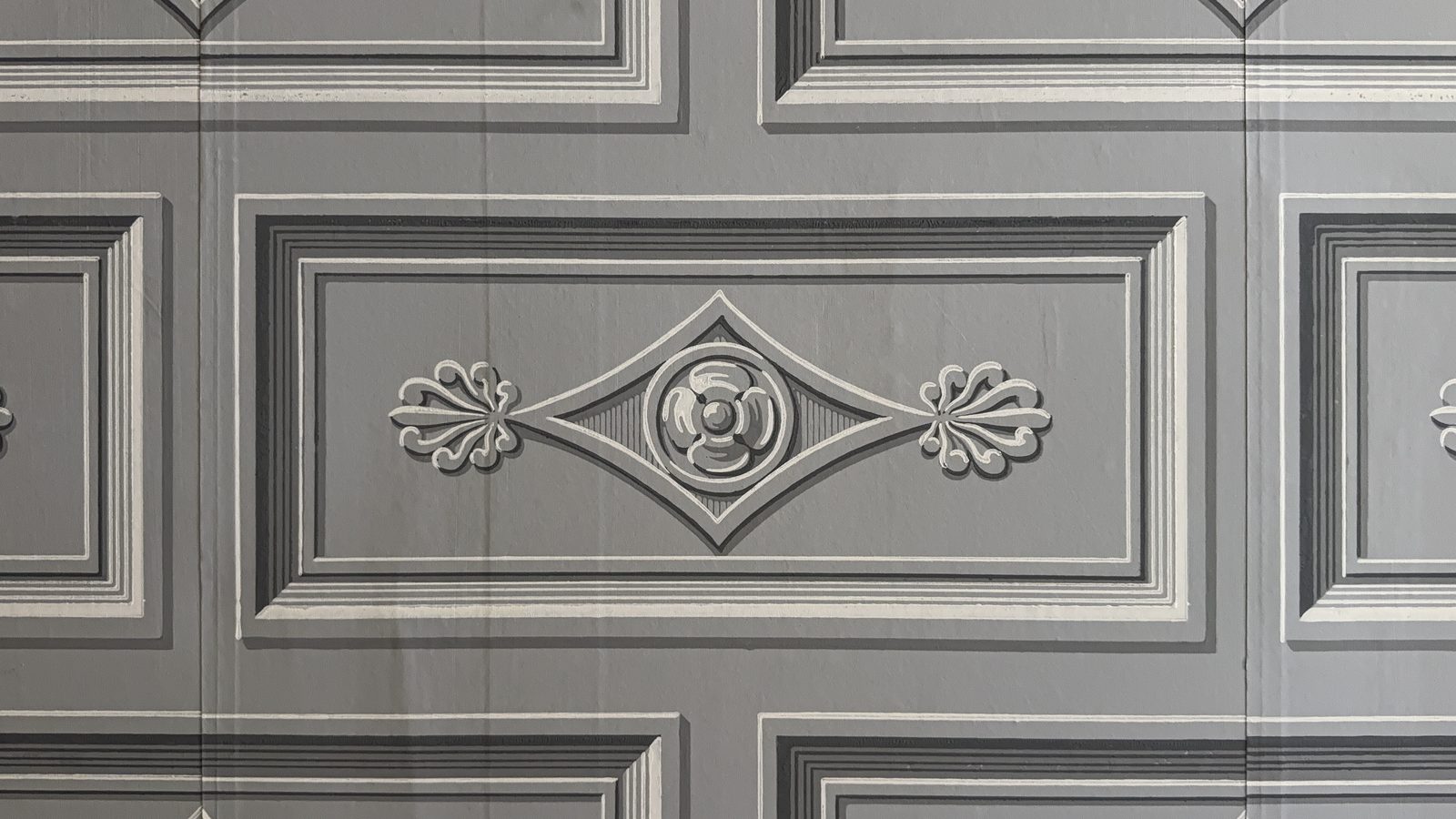
A crucial innovation of the Régence period was the development of specialized woods and veneers suited to the new curved forms. Craftsmen learned to bend woods in ways that emphasized the organic curves of furniture rather than covering them with elaborate marquetry. This technical innovation allowed furniture to express its structure rather than disguise it—a principle that would influence design for centuries to come.

Régence Materials

Colours, Textiles & Spatial Design

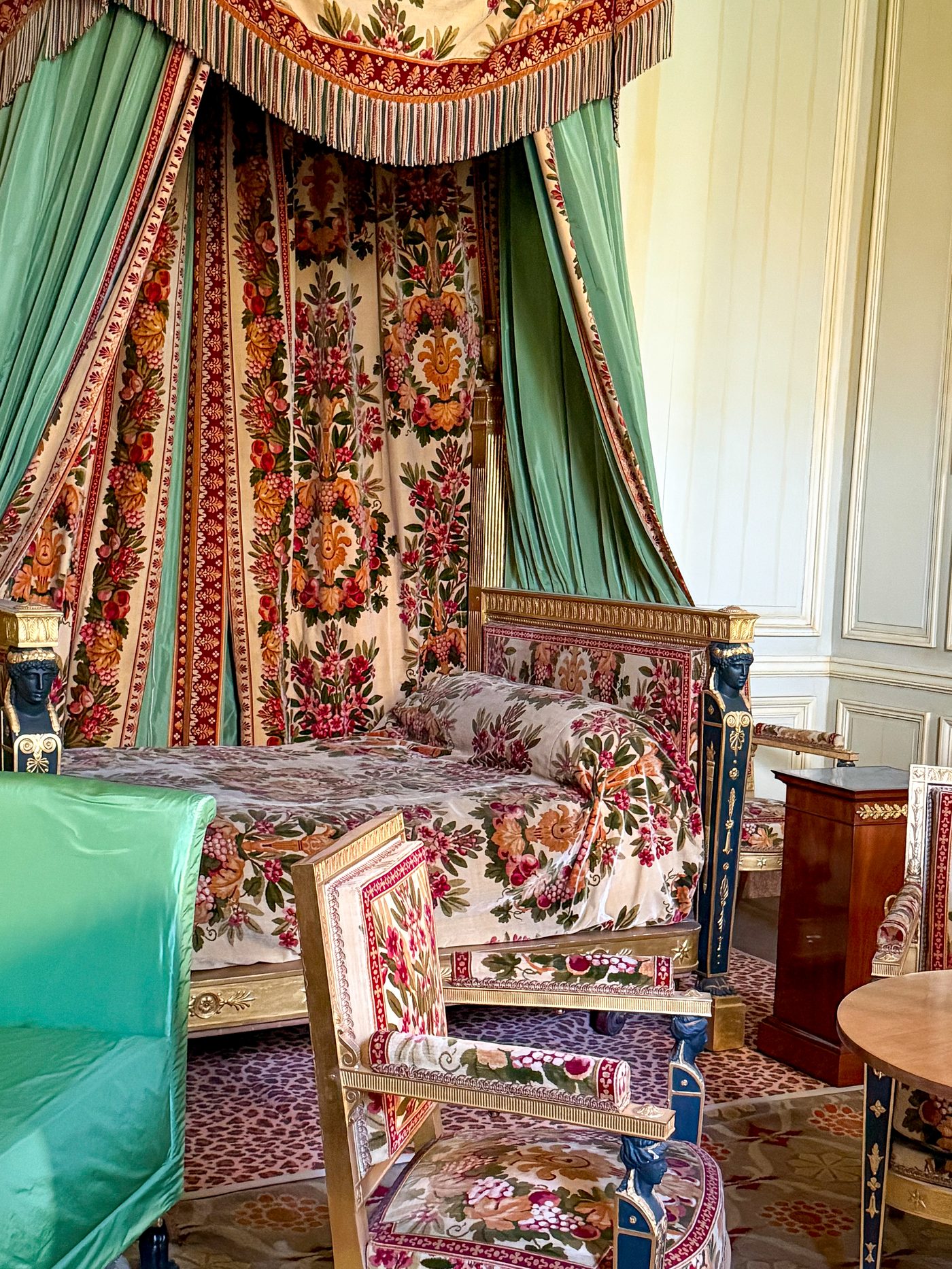
The colour palette shifted subtly but significantly during the Régence period. While the deep jewel tones of Louis XIV remained in grander rooms, smaller spaces began to feature softer, more refined colour schemes. Pale greens, soft blues, champagne tones, and taupe hues appeared alongside traditional gold and cream. This evolution reflected both practical considerations—smaller rooms look larger when painted in lighter tones—and philosophical shifts toward intimacy and nuance.

Characteristic Colour Scheme

  • Pale greens and soft sage as sophisticated primary colours
  • Champagne, ivory, and cream tones increasing in prominence
  • Soft blues and grey-blues for variety and subtlety
  • Gold and gilded accents more selectively applied
  • Introduction of paler, more refined textile colours

The development of the boiserie—elaborately decorated wall paneling—became the defining architectural element of Régence interiors. These carved and gilded wooden panels framed the wall plane, creating a sophisticated framework for paintings or tapestries. The proportions of these panels evolved during this period toward greater refinement and elegance. Smaller-scale patterns in textiles replaced the large historical compositions that had dominated Louis XIV schemes. The overall effect was one of measured elegance rather than overwhelming grandeur.

Régence Colours

Legacy & Contemporary Relevance

Although the Régence period lasted merely eight years, its influence on design philosophy extended far beyond its chronological boundaries. The style taught a profound lesson that continues to resonate: that restraint, when executed with sophistication, can achieve elegance surpassing that of excess. Contemporary designers continually return to Régence principles because they address fundamental design problems—how to create sophisticated spaces that are also comfortable, how to use ornament without excess, how to balance formality with intimacy.

The Régence period demonstrated that transitional moments can produce their own distinct aesthetic. Rather than being a mere stepping stone between two more significant styles, the Régence achieved a remarkable balance that remains instructive. In an era of design excess, the measured elegance of Régence offers crucial insights.

Modern Applications of Régence Principles

  • Creating comfort within formal settings through refined furniture proportions
  • Using lighter colour palettes while maintaining sophistication
  • Selective use of ornament to create emphasis rather than overwhelm
  • Designing specialized spaces for specific functions within larger contexts
  • Balancing grandeur with intimacy through proportion and scale
  • Understanding that elegance comes through refinement, not accumulation

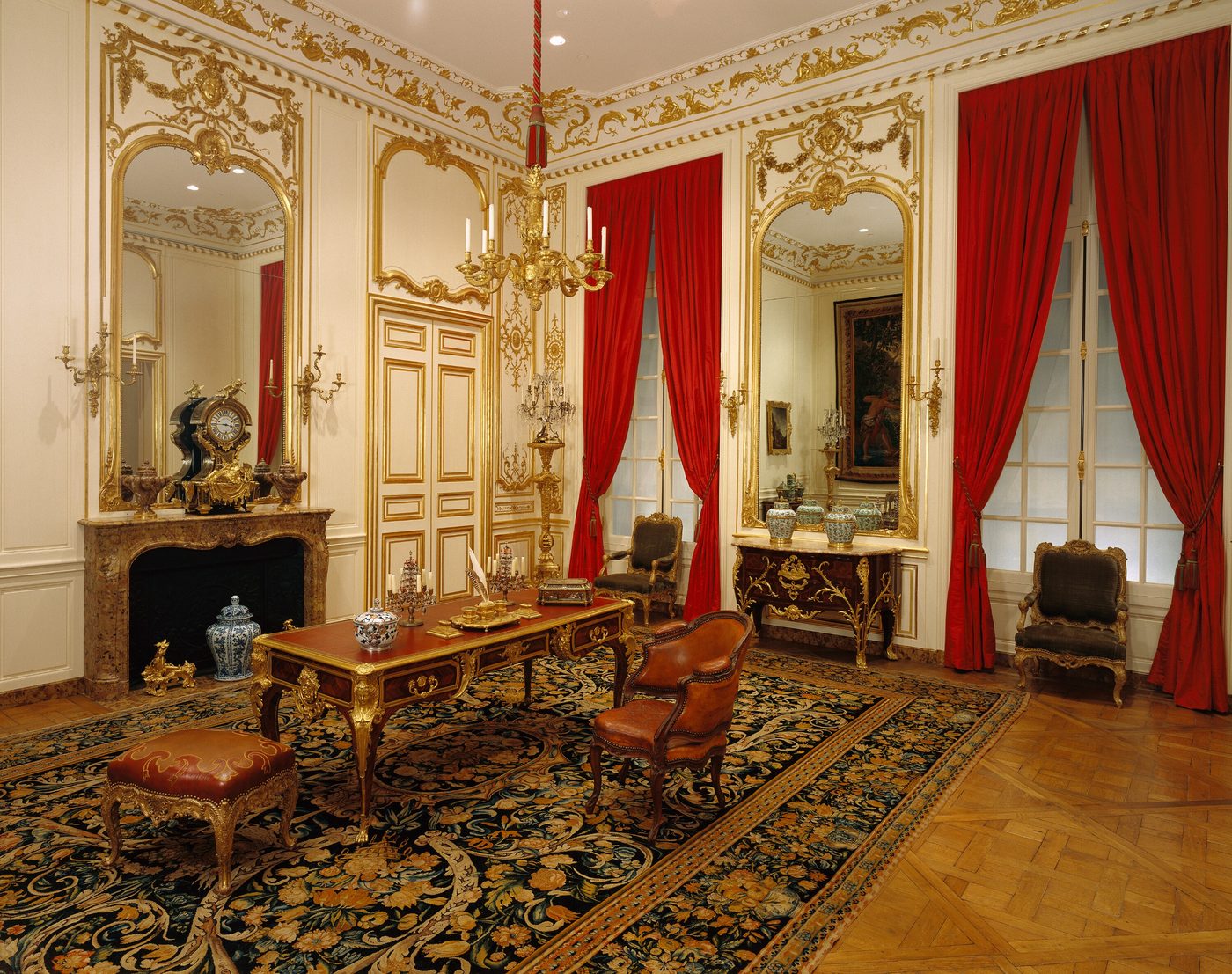
Contemporary reinterpretations of Régence design focus on the underlying philosophy: creating spaces that are intellectually refined, aesthetically sophisticated, and genuinely livable. A modern Régence-inspired interior might feature a sophisticated colour palette, curves that suggest comfort rather than mere decoration, and carefully selected gilded accents that create focal points without overwhelming the space. The result is an approach to luxury that feels timeless precisely because it remains focused on proportion, comfort, and refinement—values that transcend any particular historical moment.

Contemporary Régence

Read Also in This Series

The Louis XIV Style

The magnificent Baroque grandeur of the Sun King—gilded splendour, overwhelming scale, and the definitive statement of absolute power through interior design.

Discover →

The Louis XV Style

The pinnacle of Rococo refinement, Louis XV design celebrates curves, asymmetry, and an intimate aesthetic that revolutionized European taste.

Discover →

The Louis XVI Style

A return to classicism and straight lines, Louis XVI design introduced neoclassical principles while retaining the elegance of the previous century.

Discover →

The Empire Style

Following the Revolution, Empire design drew inspiration from classical antiquity, creating a bold, geometric aesthetic suited to a new political order.

Discover →